
Rosewood
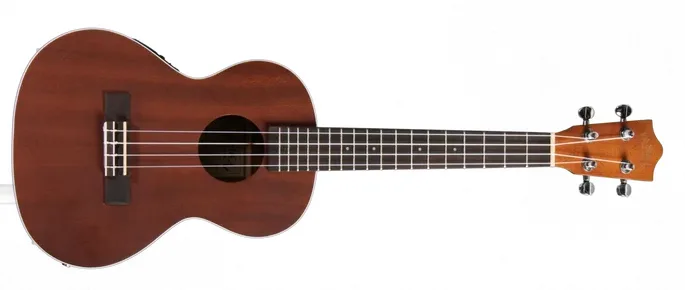
Rosewood has been the go-to fretboard material on guitars and ukuleles for decades. Warm, slightly oily feel, deep brown colouring: it’s a classic for a reason. On ukulele, it adds a touch of warmth and takes the edge off the high frequencies slightly.
Note: Genuine Indian rosewood has become more restricted in international trade due to environmental regulations. You’ll now encounter substitutes like pau ferro or ovangkol marketed as alternatives, both of which are excellent in their own right.
Models to look at
-
Kala KA-15S ~£80–£90 / $100–$120
The classic beginner soprano with a rosewood fingerboard on a mahogany body.
-
Kala KA-T ~£90–£110 / $130–$150
The tenor version, with a rosewood board that gives a warm, comfortable playing feel.
-
Lanikai LU-21T ~£85–£110 / $100–$130
A budget-friendly tenor with a rosewood fingerboard, decent construction, and a reliably warm tone.
Walnut
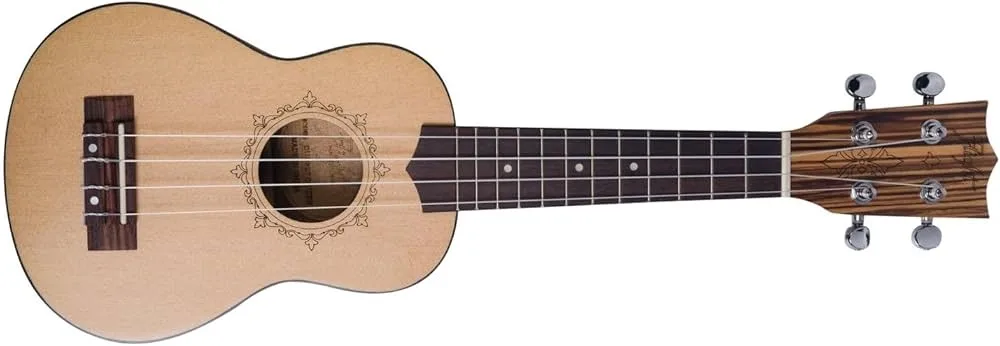
Walnut has become increasingly popular as a rosewood alternative, and it’s a genuinely great option. It looks beautiful, feels great under the fingers, and tonally sits somewhere between rosewood and maple: warm without being dull, clear without being harsh.
Models to look at
-
Flight DUS 320 ~£70–£85 / $90–$110
A well-reviewed budget soprano featuring a walnut board with a lovely feel and a noticeably clean sound for the price.
-
Kala KA-15S ~£65–£85 / $75–$100
Long considered the benchmark entry-level soprano, its mahogany body pairs with a walnut fingerboard that feels smooth to the touch. Exceptional value and widely recommended as a first uke.
Maple
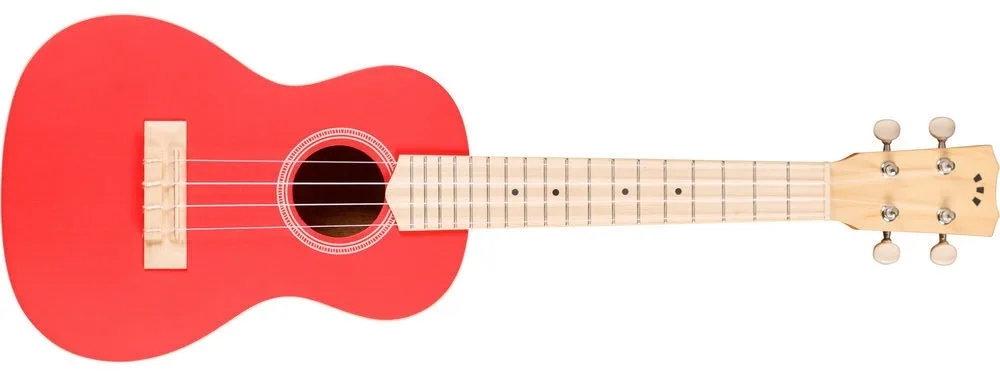
Maple is a brighter, harder wood. On a ukulele it adds snap and clarity. Think extra definition on each note. Often found on instruments that already lean toward the brighter end of the spectrum.
Models to look at
-
Cordoba 15CM Matiz Concert ~£90–£115 / $110–$140
A colourful, eye-catching take on Cordoba’s popular 15CM, pairing a mahogany body with a maple fingerboard and bridge, giving it noticeably more snap and brightness.
-
aNueNue Color Series Concert ~£130–£160 / $150–$190
One of the most talked-about budget concert ukes, featuring a maple fretboard and bridge. A popular choice for players who want clarity and character at an accessible price.
Ebony
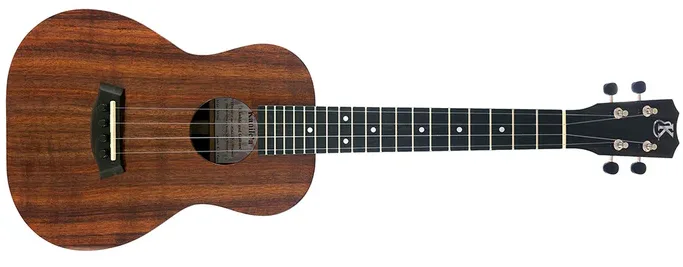
Ebony is the premium choice. Very hard and very dense, it produces a tight, focused tone with excellent note clarity and sustain, and it has a beautiful jet-black appearance.
It’s also what Jake Shimabukuro has on his custom Kamaka tenor, and if it’s good enough for him…
Models to look at
-
Kanile’a K-1 TE Tenor ~£750–£950 / $1,000–$1,250
The ebony-appointed version of Kanile’a’s flagship Hawaiian tenor, pairing solid koa construction with an ebony fretboard and bridge. A genuinely superb instrument handmade in Hawaii. Just make sure you’re looking at the TE variant, as the standard K-1 uses rosewood.
-
Ohana Custom Shop Exhibition Tenor ~£4,500 / $6,000
California-built by Ohana’s in-house luthier, featuring an ebony fingerboard with outstanding craftsmanship and a beautifully focused tone.
A practical note
For most players, especially beginners, the fretboard material is not something to lose sleep over. Focus first on size, body wood, and build quality. The fretboard becomes a “fine tuning” consideration as you develop your preferences.